Oral Surgery and Implantology
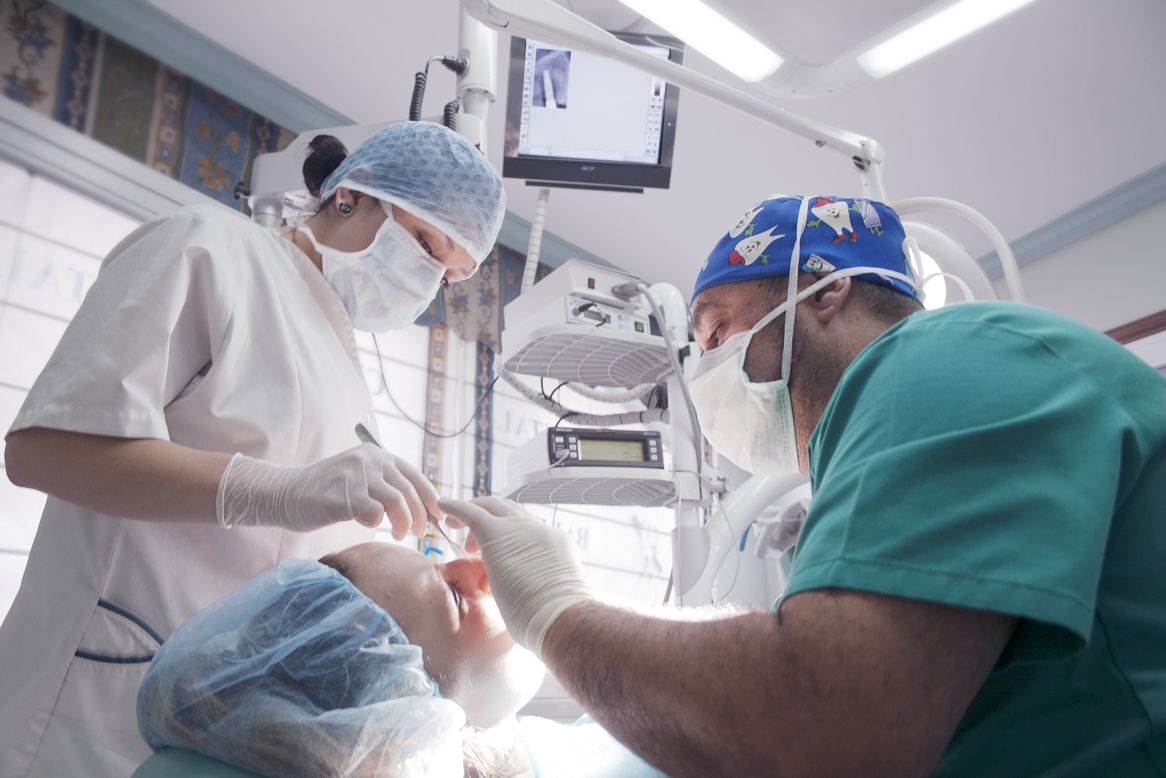
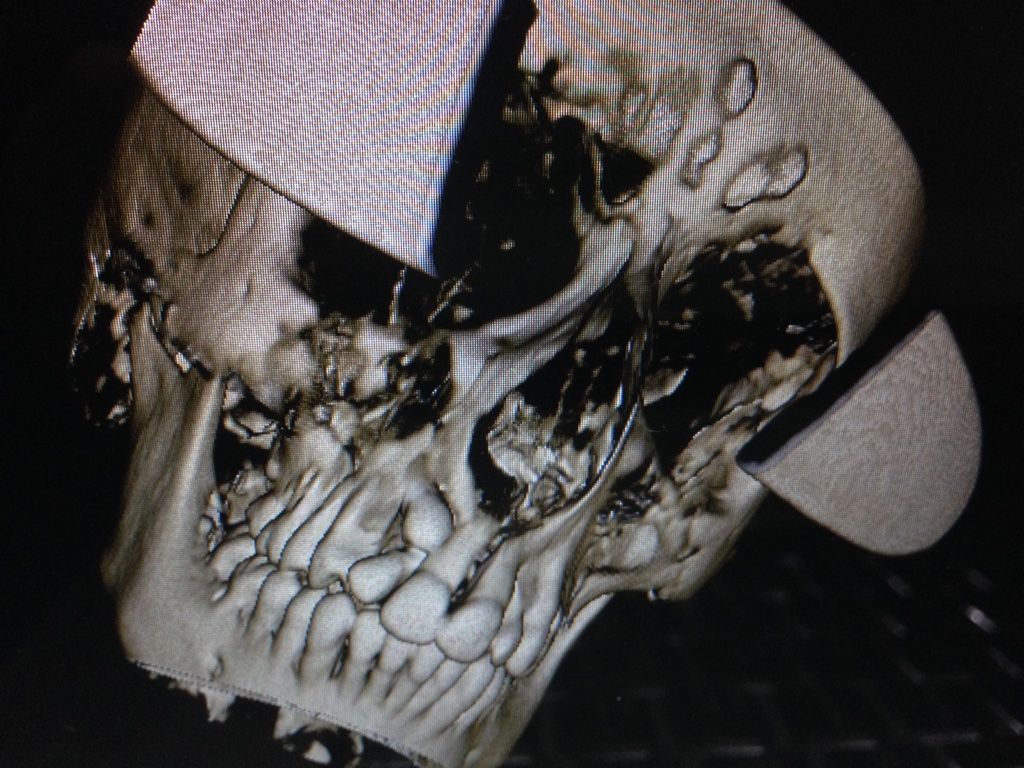
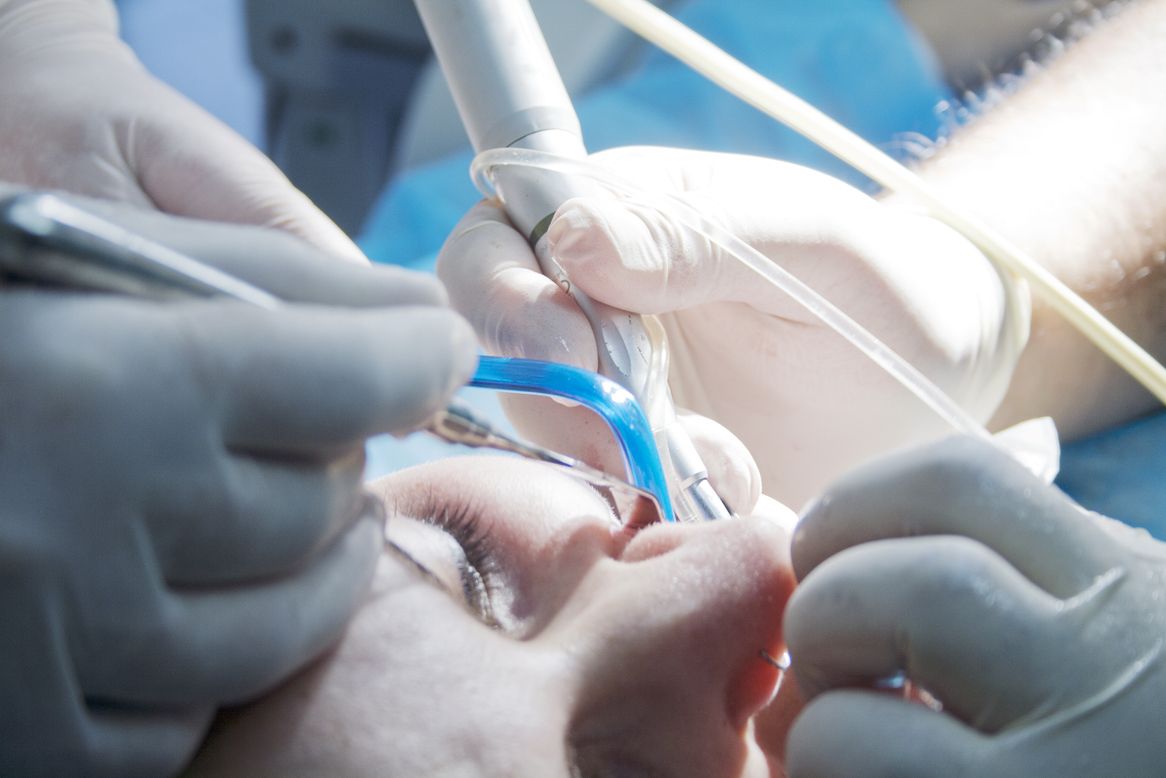
We have the most advanced means, from ultrasonic surgery systems that respect soft structures such as nerves and tissues, electric cauterisation and latest-generation CBCT diagnostic imaging… In addition, all our surgical treatments are assisted by LASER technology.
- Certified clinic
- Laser treatment
- Minimally invasive surgery
- Guided implant surgery
Dental implant
After each surgery, patients receive their “Implantology Document”, which records all the information about each of the implants, so that the patient has real and complete information about what has actually been placed; it is a GUARANTEE document.
Placing an implant is not painful for the patient and is performed with local infiltrative anaesthesia, that is, as if we were filling a tooth. Sometimes a normal extraction could be more uncomfortable than placing an implant.
It is the best alternative to the loss of teeth, avoiding having to touch the adjacent teeth; in addition, this type of treatment helps to preserve the bone of the upper or lower jaw, preventing its progressive disappearance. Implants not only provide excellent chewing function but also achieve the best aesthetic results.
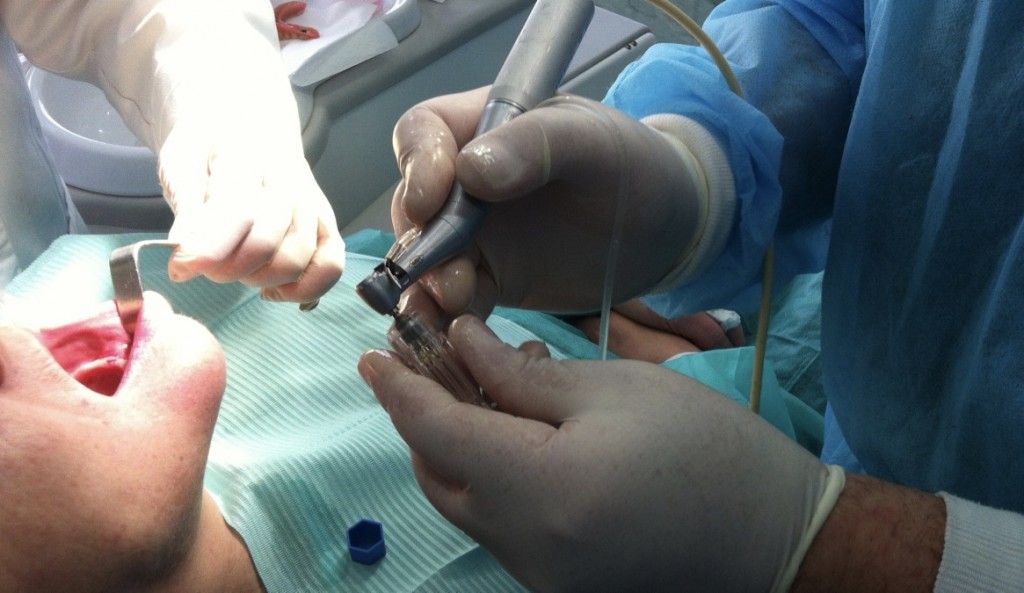
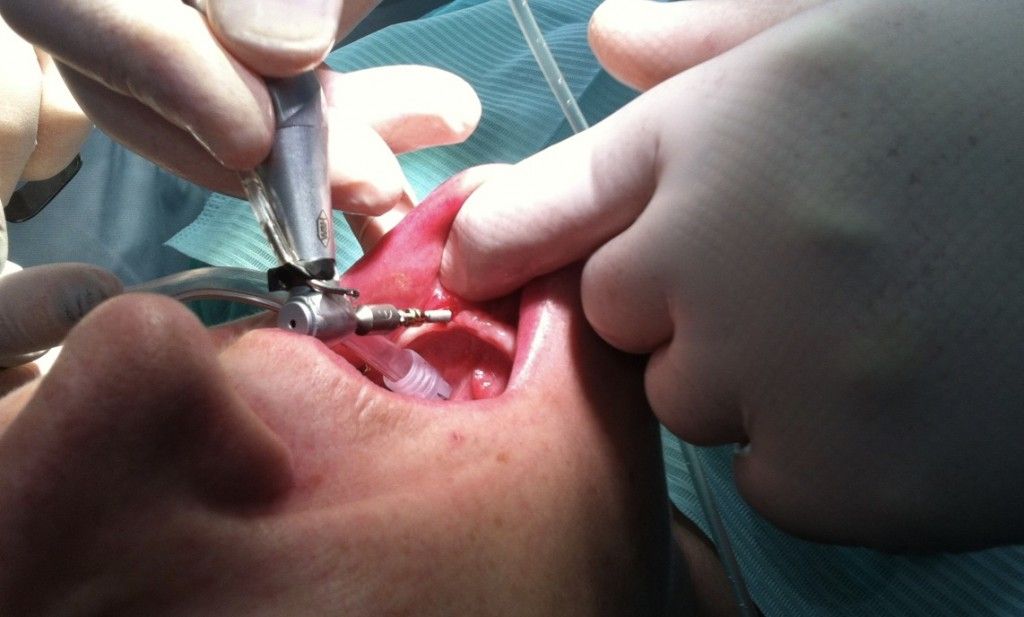
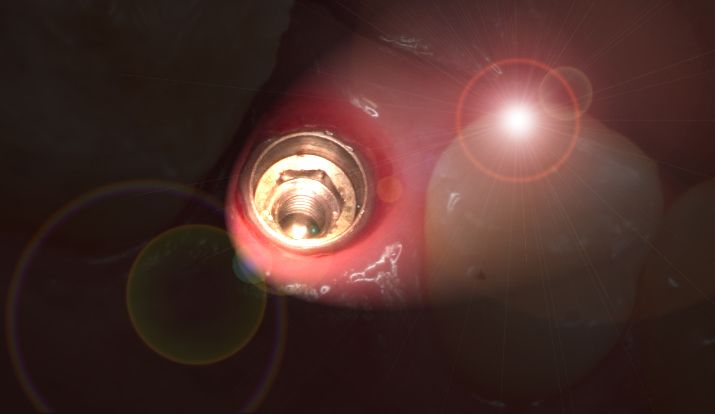
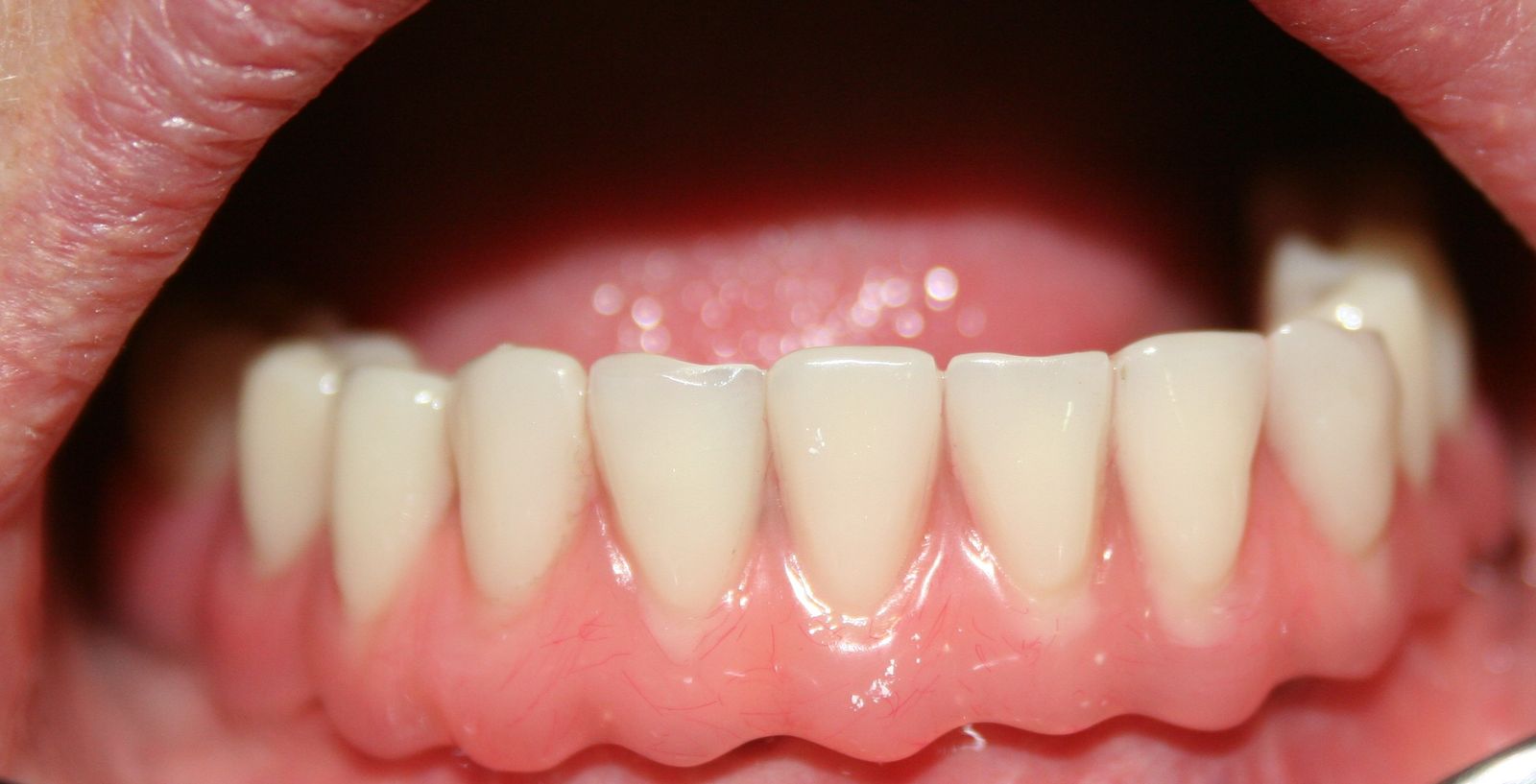
Implants placed at our clinic
Tap an image to enlarge it
Depending on the surgical moment at which we perform the surgery, we can distinguish
Immediate post-extraction implants
These are placed at the time of the tooth extraction or within the following two months.
Delayed implants
These are placed between two and six months after the extraction.
Late post-extraction implants
These are placed between six months and one year after the extraction.
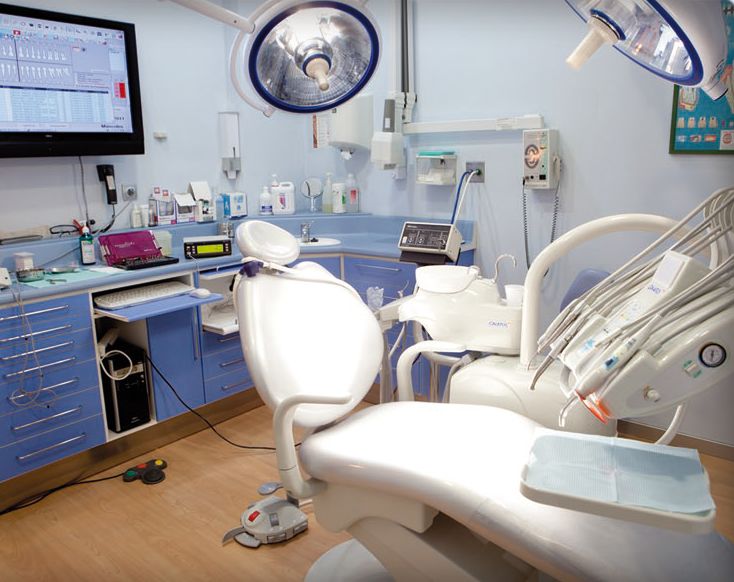
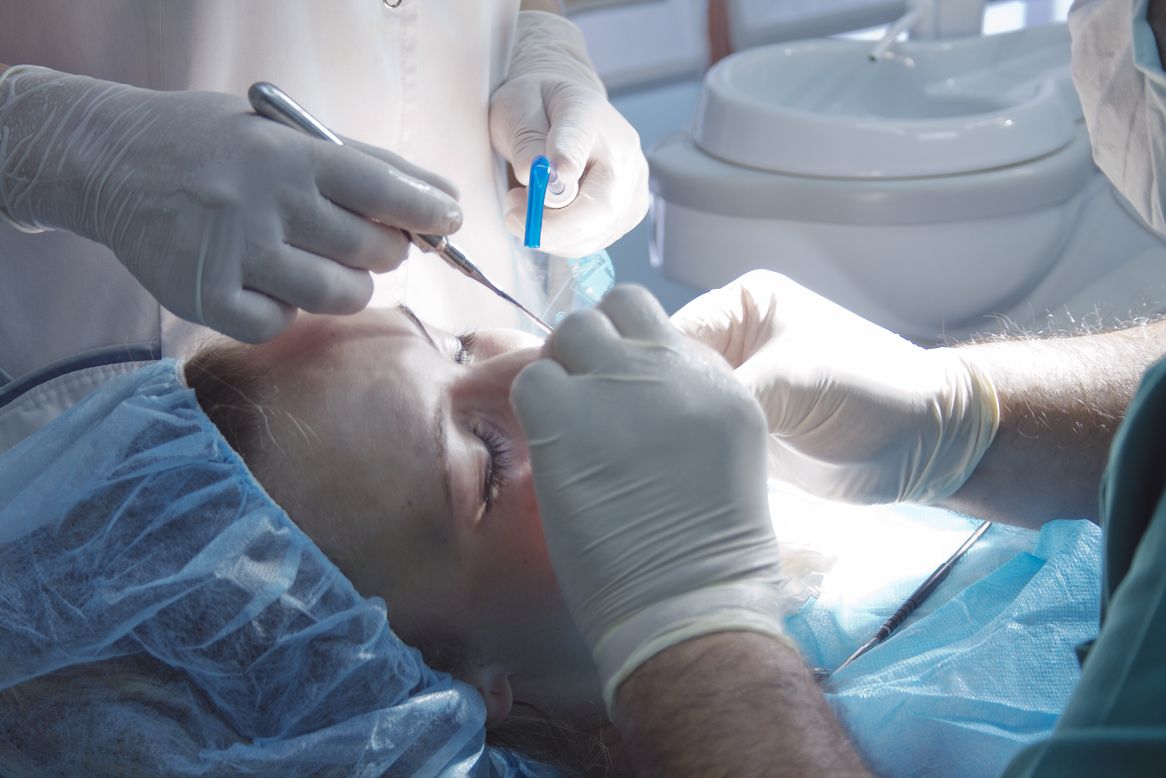
The most frequent interventions at our clinic
- Laser-assisted extraction of wisdom teeth.
- Complex dental extractions.
-
Preprosthetic surgery
Indicated to correct bone or mucosal anomalies that would make it difficult to place prosthetic teeth or to wear a prosthesis comfortably.
-
Laser frenulum surgery
Low-inserted frenula cause anomalies in the position of the teeth, creating the typical gap between the incisors and contributing to eruptive and orthodontic worsening.
-
Laser treatment of all types of oral lesions
Mouth ulcers, oral lichen planus, herpes…
-
Surgery for orthodontic purposes
Retained or impacted teeth that hinder or worsen the orthodontic prognosis, such as impacted canines, must necessarily be treated.
-
Laser surgery of cysts and lumps
Although they are generally benign, this type of pathology must be removed and biopsied.
Advanced implantology
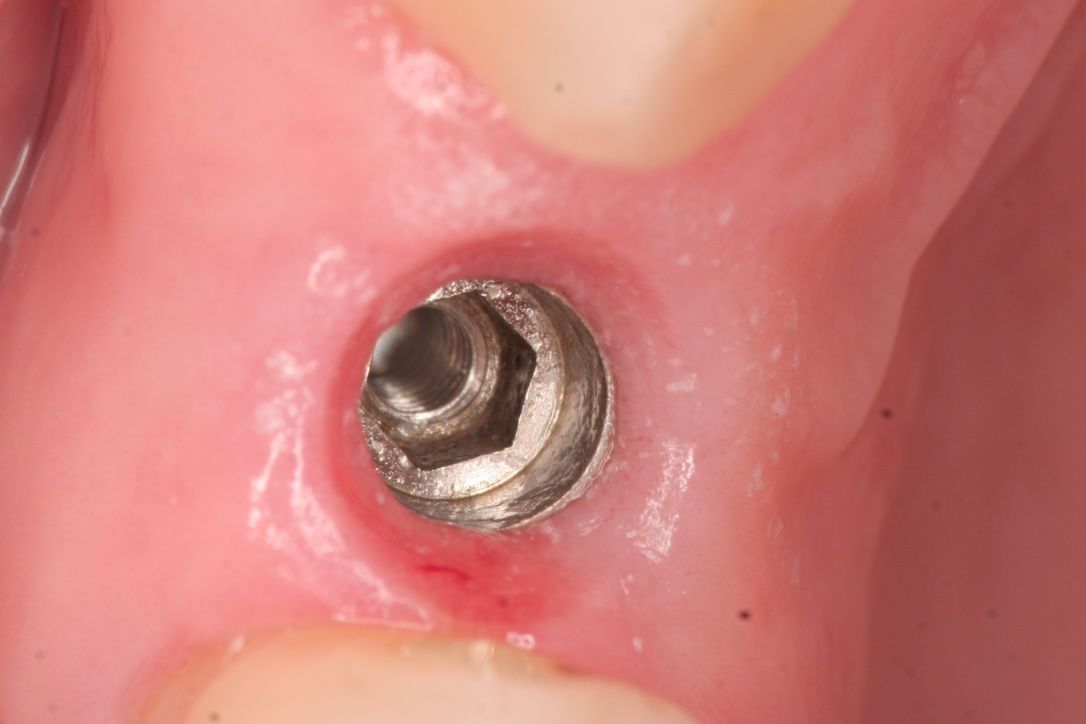
Losing a tooth can often lead to a severe psychological problem. In this field, and with the help of the most cutting-edge means, at Policlínica Dental Dr. Vilariño we replace lost teeth and molars with osseointegrated implants. This allows all their functions to be recovered in a fixed and comfortable way (chewing, speech, aesthetics, stabilisation of neighbouring and opposing teeth, preservation of the bone in the area…), all without overloading the neighbouring teeth, as a removable appliance or a traditional bridge would.
Implantology is one of the areas of dentistry that has evolved most in recent years. Increasingly advanced materials and techniques allow more comfortable and reliable treatments.
Frequently asked questions
We want to help you with your concerns. We will resolve your doubts and fears. We are here to help you.
What is a dental implant?
Simply put, it is an artificial root made mainly of titanium which, properly placed in the jaw, supports the teeth that for whatever reason are missing from the mouth. At Policlínica Dental Dr. Vilariño we carry out everything from single implants to bridges, full oral rehabilitations and complex multidisciplinary cases.
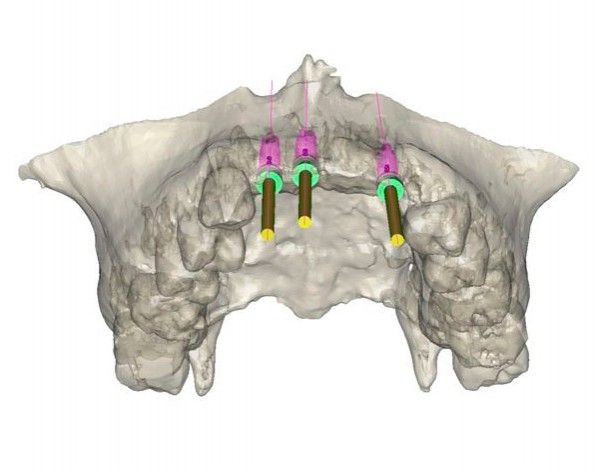
At our clinic we have the experience and the most advanced technology in this field. These treatments are performed by members of our team, recognised experts in implantology endorsed by the University of Santiago de Compostela. We use computer-assisted 3D design, which shows us the exact position and depth of the implants before surgery, providing greater surgical precision and safety.
With this information, our laboratory manufactures a surgical guide that steers us during the procedure, reducing the risk of bleeding as well as surgical time.
Is there any absolute contraindication to placing an implant?
Today it can be considered that there are no absolute contraindications, that is, circumstances that prevent an implant from being placed at the first attempt, except:
- Presence of acute infection.
- Lack of primary stability.
In these cases, the evolution should be assessed and the possibility studied later, once the condition of the tissues improves.
Advantages of dental implants
Undoubtedly the best choice to treat missing teeth, as their advanced design offers us a wide range of possibilities adapted to the needs of each patient.
- It is the most conservative option, as the prosthesis is attached to the bone and not to other teeth.
- Comfort and chewing capacity are similar to natural teeth.
- It prevents bone loss by keeping the bone in function and avoids deterioration of the adjacent teeth, preserving not only dental but also facial aesthetics.
The advantages of immediate post-extraction implants
- They preserve bone and soft tissue.
- They reduce surgical times.
- Shorter treatment time.
- The extraction provides very favourable vascularisation for the healing and bone regeneration process.
- It allows an ideal implant position.
- As there is no need to drill through cortical bone, less heat is generated by the rotary instruments, even with cooling.
Indications for immediate post-extraction implants
Immediate post-extraction implants are indicated for:
- Traumatic avulsion.
- Apical root resorption of primary teeth when the permanent tooth is congenitally missing.
- Failure of endodontic therapy.
- Unrecoverable dental fractures.
- Teeth with unrecoverable periodontal disease.
Advantages of delayed implants
The advantages can be summarised as:
- They guarantee the absence of pathological tissue at the implant site.
- They facilitate the primary anchorage of the implant.
- They have a better final aesthetic result.
Why should wisdom teeth be extracted?
The extraction of wisdom teeth is very particular to each patient, although in general we can agree that the most frequent reasons are:
- To avoid or reduce the risk of periodontal disease.
- If they have partially erupted, they allow bacteria to enter between the tooth and the gum, causing decay and infection. The result can be pain, swelling, trismus (jaw immobility) and general malaise.
- If they keep erupting without enough space, they will damage the adjacent teeth and may move them.
- They frequently develop cysts and tumours, destroying nearby structures such as the jawbone or the roots of nearby teeth.
- They can cause pain for which no explanation is found.
- Sometimes they make it impossible to fit a prosthesis.
- They can cause occlusal interference or a bad bite.
- In 70 % of cases they cause trauma to the cheeks.
- They are associated with jaw fractures in 65 % of cases.
- 40 % of adults aged 45 develop periodontal disease, repeated infections or decay in the area near the third molar.
Frenectomy or frenulum surgery
Inadequate insertion of the FRENULUM fibres produces dental and even speech alterations that must be corrected. They are usually diagnosed at paediatric ages, but it is not until puberty, and specifically when the permanent dentition is in place, that this intervention should be performed. The genetic or hereditary factor is very important: if we have relatives with this alteration, we should be more attentive.
Your trusted dentist